


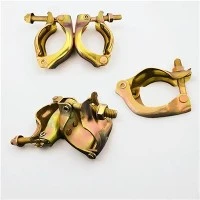

Principle: The workpiece is immersed in a water-based electrophoretic paint; an electric field drives the resin and pigments to deposit onto the metal surface. Subsequent baking and curing form a dense organic paint film. For fasteners, **cathodic electrodeposition** (cathodic electrophoresis) is the predominant method.

✅ Core Function of Electrophoresis
1. Corrosion and Rust Resistance
By creating a barrier against moisture, oxygen, and salt spray, this process offers far superior corrosion resistance compared to black oxide (bluing). Standard electrophoretic coatings can withstand over 300 hours of salt spray testing, while high-end formulations can reach 500–1,000 hours. Rather than relying on cathodic protection, the coating acts as a physical barrier, making it ideal for humid environments, outdoor applications, and automotive chassis components.
Comparison: Black oxide coatings typically last only a few hours in salt spray tests and require the application of rust-preventive oil; in contrast, electrophoretic coatings-once cured-do not require any additional oil sealing.
2. Complete Surface Coverage, Including Threads
The electric field ensures coverage even in the roots of threads, narrow gaps, blind holes, and recesses-areas where conventional spray painting or powder coating often result in missed spots or excessive paint buildup. Electrophoretic coatings provide a uniform thickness (typically 15–25 μm) that does not cause seizing or significantly alter thread tolerances, making the process highly suitable for bolts and nuts.
3. Strong Adhesion; Resistant to Peeling and Flaking
When combined with a phosphating pretreatment, the paint film bonds firmly to the substrate. It offers excellent resistance to stone-chip impacts and vibrations, making it widely used for automotive fasteners.
4. Uniform Appearance and Consistent Color
Matte or glossy black are the most common finishes in the industry, though other colors-such as gray-are also available. The process ensures minimal color variation across batches and a clean, professional finish that meets customer aesthetic requirements.
5. Electrical Insulation and Chemical Resistance
The organic paint film provides electrical insulation and offers resistance to weak acids, alkalis, and oils, making it well-suited for components in engine compartments, agricultural machinery, and construction equipment. Furthermore, it eliminates the risk of hydrogen embrittlement-a common drawback of electroplating-rendering it ideal for high-strength bolts (such as grade 10.9 and 12.9 fasteners).
6.Eco-friendly and suitable for large-scale automated production
Water-based paints feature low VOC content and comply with RoHS and REACH standards. With a coating utilization rate of over 95%, they are well-suited for stable, high-volume production on assembly lines, ensuring excellent batch-to-batch consistency.
When to Choose Electrophoresis
✅ Prioritize electrophoresis:
- High-strength fasteners (grades 10.9, 12.9) to avoid the risk of hydrogen embrittlement associated with electro-galvanizing.
- Applications requiring salt spray resistance (≥300 hours), or those in humid, outdoor, chassis, or engine compartment environments.
- Threaded fasteners that require a uniform coating, ensuring smooth engagement without jamming or interfering with assembly.
- Large-volume orders where a stable, consistent black appearance and strict control over color variation are required.
- Operating conditions involving vibration or impact from road debris, where high coating adhesion and resistance to chipping are essential.
- Products that must comply with environmental regulations such as RoHS and REACH.
❌ Electrophoretic coating is not recommended for:
- Scenarios where the coating is prone to being scratched or damaged by hard objects and cannot be regularly maintained (damage to the film leads to localized rusting, as it offers no sacrificial corrosion protection).
- Applications requiring extreme salt-spray resistance (over 1,000 hours) or exposure to highly corrosive acidic or alkaline environments (hot-dip galvanizing or Dacromet are preferred).
- Non-conductive substrates, such as stainless steel or non-metallic materials.
- Situations limited to dry indoor environments where the budget is very low and only a simple black appearance is required (black oxide/blackening is preferred).
⚠️ Limitations
- Acts as a "flash" (short-term) protective coating: Once the paint film is compromised, the exposed area will begin to rust (as it lacks the rapid sacrificial anode protection found in other systems).
- Salt-spray resistance is generally lower than that of hot-dip galvanized coatings.
- The cost of the blackening process is lower than that of some Dacromet-based solutions.
- Primarily intended for conductive substrates; rarely applied to stainless steel.
FAQ
Q: How should I choose between electrophoretic coating and blackening (black oxide)?
A: Choose blackening for indoor, dry environments where the budget is limited and only a black appearance is required. Choose electrophoretic coating for humid or outdoor environments, applications involving salt spray exposure, or long-term use.
Q: Does electrophoretic coating interfere with threaded assembly?
A: The coating is thin and uniform; when the film thickness is properly controlled, it does not hinder screwing/fastening. It is better suited for threaded components than powder coating.
Q: Can 10.9-grade high-strength bolts be electrophoretically coated?
A: Yes. Electrophoretic coating carries no risk of hydrogen embrittlement, making it an excellent alternative to electro-galvanizing for high-strength components.
In addition to electrophoretic coating, we offer a variety of surface treatment solutions for fasteners-including black oxide, electro-galvanizing, hot-dip galvanizing, Dacromet, and powder coating. We can tailor the optimal anti-corrosion solution based on your specific requirements for salt spray resistance, operating environment, material grade, and budget. Please feel free to contact us for consultation and selection assistance.
https://www.chinaboltnut.com/