


If you’ve ever stood in a hardware store, staring at a wall of tiny metal fasteners like I do every week, you know how easy it is to grab the first nut that looks like it’ll work. When I started as a square nut supplier a few years back, I thought square nuts and knurled nuts were basically the same—just two metal bits that hold things together. Spoiler: I was so wrong. Turns out each has its own vibe, ideal use cases, and quirks that make one way better than the other depending on what you’re building. Let me break this down like I’d explain it to a regular builder or a weekend DIYer, no fancy jargon, just real talk from someone who’s spent way too many hours shipping these things.
First, let’s get clear on what each nut actually is, because that’s where most people mix them up. A square nut is exactly what it sounds like—four flat, straight sides, like a tiny metal square. You don’t twist it to lock it in place, right? You slide it into a square-shaped slot (or a square hole cut into something thick, like a metal beam or a wooden workbench) and it sits tight, so when you tighten a bolt down on it, the nut doesn’t spin around. That’s the whole superpower here. If you’ve ever had a regular round nut spin while you’re trying to tighten a bolt, you know the headache square nuts solve. Check out our full specs for square nuts here: Square Nut.
Now knurled nuts—these have those little diamond-shaped bumps (that’s the knurl, duh) all over their outer surface. The idea is similar: they don’t spin. But instead of fitting into a slot, you press or twist them into a pre-threaded hole or a soft material like plastic or thin wood. The little bumps dig into the surface to hold them in place, no slot needed. I see them used all the time in electronics assembly or small furniture parts, where cutting a square slot is a hassle.
Let’s talk strength, because that’s the big one for builders who’re worried about things holding up. Square nuts are made for heavy lifting. They’re usually thicker and have a bigger thread surface area than knurled nuts—more metal touching the bolt means more torque the nut can handle without stripping or shearing. I’ve sent square nuts to contractors working on bridge supports and large farm equipment, where a loose nut isn’t just an inconvenience—it’s a safety hazard. Knurled nuts? They’re better for light to medium loads. You won’t catch me using a knurled nut to hold a tractor axle on, but they’re perfect for attaching plastic panels to a metal frame or securing a computer motherboard to its case.
Installation is where the two go head to head, and honestly, it’s all about your setup. Square nuts take a little more prep work because you need that square slot. If you’re building a custom metal rack, you’ll have to cut or punch a square hole in the frame—wait 10 years ago, that was a pain, but now with laser cutting it’s super quick. Once that slot is there, dropping a square nut in and tightening a bolt takes about two seconds, no special tools needed. No pressing, no twisting, just slot it and go.
Knurled nuts? Installation is way faster if you don’t have that slot. Just line up the hole, twist the nut on with your fingers or a small tool, and the knurls bite into the material. But here’s the catch: if you’re using a hard material like thick steel, those little knurls might not dig in enough, so the nut could spin over time. I once had a customer call me panicking because their knurled nuts kept falling out of a steel cabinet frame—turns out they tried to use soft knurled nuts on a ½-inch steel panel, which the knurls couldn’t grip. We suggested switching to square nuts (with a pre-cut square slot) and the problem was solved in 24 hours. That’s the kind of real-world issue you don’t read about in specs.
Versatility is another big difference. Let’s run through common use cases, because that’s what matters most. Square nuts: I’ve seen them used in structural steel fabrication, heavy-duty machinery, workbench tops, even fence posts. Anywhere you need a nut that won’t spin and can handle a lot of force. We also stock them in different grades—carbon steel for general use, stainless steel for outdoor projects where rust is a problem. If you’re working on something structural, I’d always recommend a square nut over a knurled nut. There’s a reason we send thousands of square nuts to places building skyscrapers.
Knurled nuts? Their sweet spot is light-duty, quick-assembly stuff. Electronics, small appliances, furniture (especially flat-pack stuff, which is huge these days), and automotive interior parts. They’re also great for things where you need to adjust parts later—twist the knurled nut loose and move the panel without having to worry about a slot. The downside is they can’t handle as much torque, and if you over-tighten them, those knurls can strip right out of the material. I’ve had a customer send me a photo of a knurled nut that had its knurls all chewed up because they cranked down too hard on a bookshelf bracket. Oops.
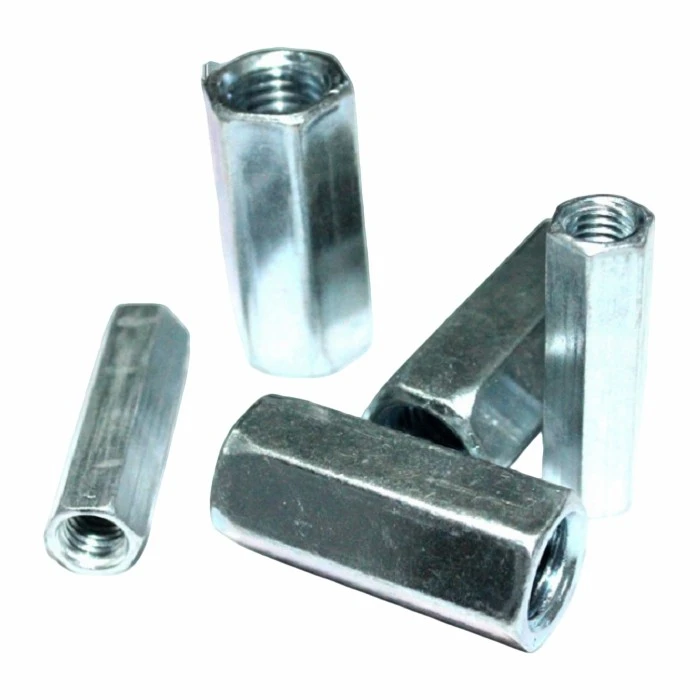
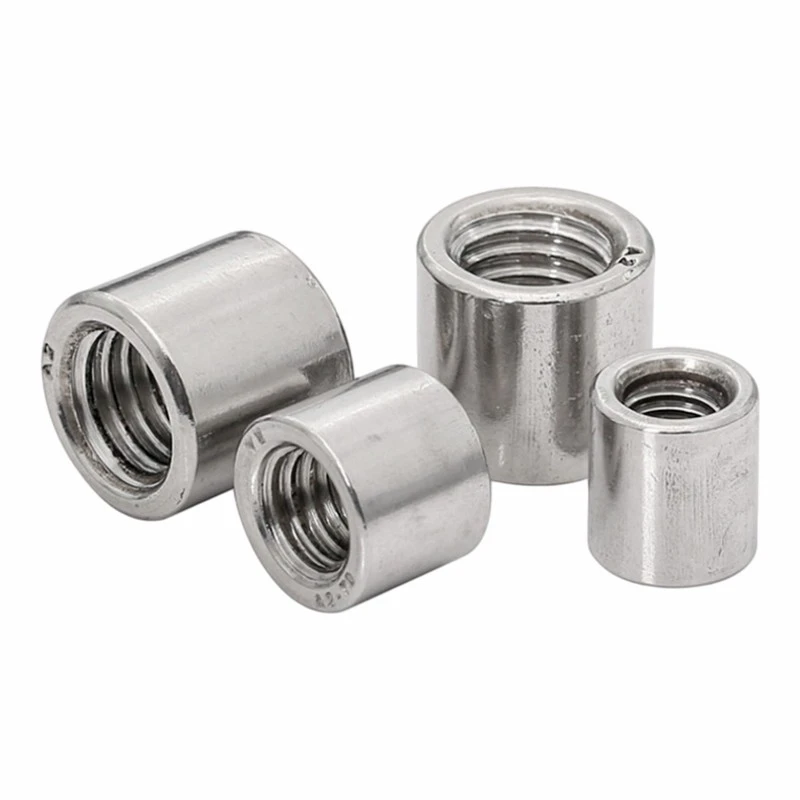
Wait, let’s not forget other nuts people often compare, just to put things in perspective. If you’re looking for something for joining two pipes, a coupling nut is your go-to. They’re designed specifically for extending threaded rods or connecting pipes, way different from both square and knurled nuts. Here’s more on coupling nuts here: Coupling Nut. For wheels, a wheel hub nut is non-negotiable—they’re threaded specifically for automotive hub assemblies, and you’d never use a square or knurled one there. Check out wheel hub nuts here: Wheel Hub Nut. Anchor nuts are for securing heavy objects to concrete, so again, totally separate category. Anchor Nut. Cap nuts are for covering exposed bolt ends, making things look neat and preventing scrapes, also not the same as these two. Cap Nut.
Now, let’s talk about durability, which ties back to strength. Square nuts last longer in high-stress environments because of their thicker build and better grip in that slot. The slot stops any rotation, so the bolt and nut stay aligned, no friction between threads that would cause wear. Knurled nuts, on the other hand, can wear out faster if the material they’re pressed into is soft. If you have to remove and reinstall a knurled nut multiple times, the knurls will start to get dull, and it won’t grip as well anymore. Square nuts? You can take a bolt and nut out and put them back in a hundred times, and they’ll still work just as well. That’s a big deal for projects that need frequent adjustments, like workbenches that get moved around or equipment that needs maintenance.
Cost is another factor, especially for bulk orders like the ones we ship every day. Knurled nuts are a little cheaper per unit, mostly because they’re smaller and use less metal, plus they’re easier to manufacture—no need for a square slot. But wait, don’t jump for the cheapest option without checking your prep work. If you have to cut a square slot for a square nut, that adds a little time to your project, but the time you save on installation and the durability you get usually balances that out. For example, if you’re building a long metal fence, cutting square slots for square nuts might take 10 minutes per post, but you won’t have to worry about the nuts coming loose or stripping, and you’ll spend less time fixing that later. With knurled nuts, you might save 10 minutes per post upfront, but if a nut falls out in a year, you’re driving back to the site and replacing it, which costs way more in the long run.
I also want to mention user experience, because that’s something I’ve noticed from talking to customers. A lot of DIYers go for knurled nuts because they think they’re easier, but once they try square nuts, they switch. Why? Because with a square nut, you don’t have to hold the nut in place while you tighten the bolt. You slide it into the slot, it stays, then you crank the bolt down—done. With knurled nuts, you have to hold the nut with one hand while you twist the bolt with the other, which is a huge pain if you’re working in a tight spot or have big gloves on. Contractors love square nuts for that exact reason—faster, less fumbling, fewer dropped nuts.
Let me share a quick customer story that sums this all up. Last month, I had a small business owner building custom metal shelves for a restaurant kitchen. He first ordered 100 knurled nuts because he thought they were cheaper and easier. He texted me a picture a week later, looking frustrated—half the knurled nuts were falling out of the thin steel frame, and he was spending hours pulling them out and re-twisting. I recommended he switch to square nuts, offered to send a sample pack, and he ordered 200 square nuts the next day. He texted me back a couple days later saying the install was a breeze, no more nuts falling out, and the shelves felt way sturdier. That’s the difference right there—knowing when one is better than the other, not just grabbing whatever’s cheapest.
So, to wrap this up, here’s the quick breakdown if you’re in a hurry: Square nuts are for heavy-duty projects where strength and non-spin stability matter. They require a square slot, last longer, handle more torque, and are easier to install once that slot is there. Knurled nuts are for light to medium jobs where you don’t want to cut a slot, speed of installation is key, and the load isn’t too intense.
If you’re still not sure which one you need—whether it’s for a custom build, structural project, or small DIY—don’t guess. We’ve been supplying square nuts for years, and our team can help you pick the right one for your specific needs. We also stock all those other nuts I mentioned earlier, so no matter what your fastener needs are, we’ve got you covered. Reach out to our team to discuss your project, get a quote, or ask any questions about square vs knurled nuts. Let’s make sure your next build is solid, no loose nuts (pun very much intended).
References:
- Industrial Fasteners Institute. (2022). Types of Metal Nuts and Their Applications. Fastener Industry Review.
- Machinery’s Handbook. (31st ed.). Industrial Press.
- Smith, J. (2021). Durability of Threaded Fasteners in Structural Applications. Journal of Construction Materials.
- DIY Network. (2023). A Guide to Choosing the Right Fasteners for Home Projects.