


If you’ve ever stood in a manufacturing workshop, walking past rows of fasteners waiting to go into everything from heavy machinery to custom cabinetry, you’ve probably wondered about the little details that make a big difference. As someone who’s spent the last 12 years working with fully threaded bolts—first as a warehouse associate, then as a key supplier for a range of industries—I get asked a lot of questions that sound simple on the surface, but dig into really practical, long-lasting issues. One of the most common ones I hear lately is: “Can fully threaded bolts be painted?”
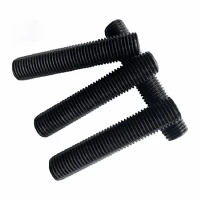
At first glance, the question seems straightforward. Bolts are metal, metal can be painted, right? But fully threaded bolts are different from standard bolts—their entire length is covered in threads, which means paint has to stick to every peak and valley to avoid chipping or peeling. More importantly, these bolts are used in high-stakes applications: holding together oil pipelines, construction scaffolding, agricultural equipment that’s exposed to rain and dust, even the frames of playground sets that get left outside year-round. Paint isn’t just a cosmetic choice here; it’s a layer of protection against rust, corrosion, and wear that can turn a small bolt failure into a major safety hazard. So the answer isn’t a simple yes or no—it’s a nuanced one that depends on the bolt material, the type of paint, how you prepare the surface, and how the bolt will be used.
Let’s start with the basics. Fully threaded bolts are designed to distribute clamping force evenly along their entire length, which makes them ideal for applications where two surfaces need to be pulled tightly together—no gaps, no weak points. But that full thread coverage also means their surface is more porous (in a way) than a partially threaded bolt; there are more crevices where moisture, dirt, and corrosion can get trapped. That’s why their finish—whether it’s stainless steel, zinc plating, or something else—is so important, and why painting them is a decision that shouldn’t be made lightly.
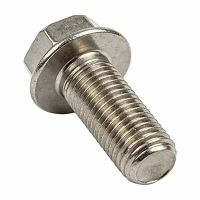
First, let’s talk about the most common types of fully threaded bolts we supply, because their material directly impacts whether paint will adhere and hold up. For example, stainless steel fully threaded bolts are one of our top sellers. They’re corrosion-resistant on their own, thanks to a chromium oxide layer that forms when the metal reacts with oxygen. But that same layer can make it hard for paint to stick, because it’s very smooth and non-porous. We get calls from customers all the time who bought stainless steel bolts online, tried to paint them, and watched the paint chip off within a month. If that’s happened to you, you know how frustrating it is—especially when you’re working on a project that needs parts to look good and last.


But that doesn’t mean you can’t paint stainless steel fully threaded bolts—it means you have to do the prep work right. We always tell customers who want to paint our stainless steel fully threaded bolts that sanding is non-negotiable. Not a light wipe with 220-grit sandpaper, but a thorough sanding of the entire bolt, especially the threads, to scuff up that smooth chromium oxide layer. Then you have to clean every last bit of sanding dust off with a degreaser—even a tiny spot of oil will prevent paint from sticking. After that, you need a primer that’s made for metal and designed to bond with stainless steel; regular all-purpose primer won’t cut it. We recommend epoxy primer for these bolts, because it forms a strong, durable bond that resists chipping. Once the primer is dry, a high-quality acrylic or enamel paint will adhere well and last for years, even in mild outdoor conditions.
Another popular type we sell is zinc plated fully threaded bolts. These bolts have a thin layer of zinc that protects the steel underneath from rust, and they’re often used in indoor applications or mild outdoor settings. Zinc is a porous, active metal, so paint adhesion can be tricky here too—especially if the plating is not properly prepared. A lot of people make the mistake of painting zinc plated fully threaded bolts without cleaning them first; zinc can leave a residue that prevents paint from sticking, and if you skip that step, the paint will bubble or peel within weeks. For these bolts, we suggest using a phosphoric acid-based etcher before priming. The etcher etches tiny, invisible patterns into the zinc surface, giving the primer something to grip onto. Then, a good metal primer and topcoat will work well, and the zinc plating plus paint will provide double protection against corrosion.
But here’s the thing: not all fully threaded bolts should be painted. If a bolt is going to be used in a high-stress, high-temperature application—like inside an engine, near a furnace, or in a chemical plant—paint isn’t a good idea. Heat can cause paint to blister and chip, and chemicals can eat through the paint to the metal underneath, leaving the bolt more vulnerable than if it had no paint at all. For these applications, we recommend sticking with the factory finish—whether that’s stainless steel, zinc plating, or another coating designed for extreme conditions. Similarly, if a bolt is going to be tightened and loosened regularly (like on equipment that needs maintenance), paint can get in the threads, causing friction that makes it hard to turn the bolt and leading to uneven clamping force. In those cases, a light coating of anti-seize compound is a better choice than paint.
We’ve seen what happens when someone skips the right prep work or uses the wrong type of paint on fully threaded bolts. A few years ago, we had a customer who was building a small bridge for a local park and decided to paint all the fully threaded bolts to match the bridge’s paint job. He bought cheap all-purpose paint, sanded the bolts lightly, and didn’t use a primer. Within six months, the paint on half the bolts was peeling off, and some of the bolts were starting to rust. He called us in a panic, worried the bridge wasn’t safe. We helped him strip the old paint, properly etch and prime the bolts, and use high-quality exterior paint. Now, three years later, the bolts look as good as the day he installed them, and there’s no rust. That story stuck with me because it showed that painting fully threaded bolts isn’t just about slapping on a coat of color—it’s about following specific steps to make sure the paint does what it’s supposed to do.
Another common mistake we see is using oil-based paint on fully threaded bolts. Oil-based paint is durable, but it takes a long time to dry, and if it gets into the threads, it can trap moisture, leading to rust from the inside out. Water-based acrylic paint is a better choice for most applications, because it dries faster, cleans up easily with soap and water, and has less odor. Just make sure the paint is labeled as “exterior-grade” if the bolt will be used outside—exterior paint is formulated to resist UV rays, rain, and temperature changes, which will make it last much longer than interior paint.
If you’re planning to paint fully threaded bolts, here’s a step-by-step guide we always share with our customers, based on years of experience working with different types of bolts and paint: first, choose the right bolt material for your application. If you do need to paint, avoid stainless steel fully threaded bolts unless you’re willing to put in the extra prep work—stainless is harder to paint than zinc plated fully threaded bolts, which are more forgiving for DIY projects. Second, sand the entire bolt thoroughly, including every thread, to create a rough surface that paint can stick to. Third, clean the bolt with a metal degreaser to remove all oil, dirt, and sanding dust—don’t skip this step. Fourth, apply a metal-specific primer, letting it dry completely before moving on. Fifth, apply two thin coats of paint, letting each coat dry fully between applications. Sixth, let the final coat cure for at least 24 hours before installing the bolt—this is crucial for the paint to reach its full durability.
Of course, if you’re not comfortable doing the prep work yourself, or if you have a large project with hundreds of bolts, you can also get fully threaded bolts pre-painted from a professional coating service. These services use industrial-grade primers and paints, and they have the equipment to ensure even coverage on all the threads. They also use electrostatic sprayers, which apply paint more evenly and reduce waste, so the finish is more durable than anything you can do at home. Just make sure you work with a reputable coating service that has experience with fasteners—some general coating services don’t understand the importance of paint on threads, and might leave small gaps that lead to peeling.
As a supplier, our top priority is making sure our customers get the right products for their needs. We never recommend painting fully threaded bolts as a one-size-fits-all solution, because we know that every project is different. If you’re working on a small indoor shelf, you can paint zinc plated fully threaded bolts with a little prep work. If you’re building a fence that will be left outside, take the time to properly prepare the bolts and use high-quality paint. If you’re working on a construction project where the bolts will be exposed to heavy rain and snow, maybe stainless steel fully threaded bolts with a clear, protective topcoat (instead of colored paint) is a better choice—clear coat will protect the stainless steel without adding extra layers that could chip.
I’ve been in this industry long enough to know that the little details make all the difference. A bolt that looks like it’s fine could be hiding a flaw because someone skipped a step in painting. That’s why we always take the time to answer questions like “Can fully threaded bolts be painted?” honestly, giving you the pros, cons, and steps that work for different situations. We don’t want you to waste time or money on a paint job that fails, and we don’t want you to have to replace bolts prematurely because of a preventable mistake.
At the end of the day, painting fully threaded bolts is possible—you just have to do it the right way. Whether you’re a DIY enthusiast working on a weekend project, a contractor on a large construction site, or a hobbyist building something for your home, the key is to understand your bolt’s material, follow the proper prep steps, and choose the right paint for the job. If you’re not sure which type of fully threaded bolt is right for your project, or if you have questions about painting or coating, we’re here to help. We’ve worked with everything from small home projects to large industrial applications, and we can guide you to the best solution for your needs. Don’t hesitate to reach out to connect for a detailed discussion about your fastener requirements and how to get the most out of your parts.
References:
- Korol, A. (2019). Surface Preparation for Metal Painting: A Comprehensive Guide. Journal of Coatings Technology and Research, 16(3), 789-801.
- American Society of Mechanical Engineers. (2021). Fastener Coating Standards for Corrosion Resistance. ASME B106.2M-2021.
- Smith, J. D. (2020). Adhesion of Paints to Stainless Steel and Zinc Plated Surfaces. Materials Performance, 59(7), 42-47.
- National Association of Corrosion Engineers. (2018). Corrosion Control for Fasteners in Outdoor Applications. NACE International Publication 35100.