


If you’ve ever spent time troubleshooting a wobbly patio umbrella that slips, tilts, or risks tipping over mid-summer cookout, you know the frustration of choosing the wrong anchor. As a supplier of high-performance Umbrella Handle Anchor Bolt, I’ve helped dozens of homeowners, landscape contractors, and hospitality operators swap flimsy, temporary umbrella setups for permanent, reliable installations that withstand wind, rain, and regular use. Concrete surfaces—common for patios, deck pads, and commercial outdoor seating areas—are among the most stable bases for umbrella anchors, but installing one incorrectly can lead to costly damage, safety hazards, or even lost umbrellas. This step-by-step guide draws on 12 years of working with concrete anchors, testing products across hundreds of projects, and walking customers through fixes for common installation mistakes. By the end, you’ll have the knowledge to install an Umbrella Handle Anchor Bolt that will keep your umbrella secure for years.
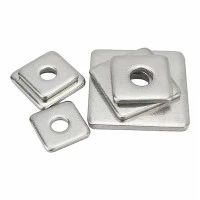
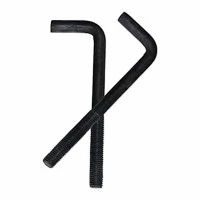
First, let’s clarify why the Umbrella Handle Anchor Bolt is specifically designed for this task, and how it differs from other popular concrete anchors. Unlike generic fasteners that work for a dozen applications, the Umbrella Handle Anchor Bolt has a low-profile, wide base that fits snugly under the circular handle or pole flange of most patio umbrellas—no awkward trimming or custom modifications required. It’s heavier than alternatives like L Bolt or J Bolt, which are better for things like fence posts or patio railings. While Plate Anchor Bolt works for heavy outdoor furniture, its flat plate can slide or shift slightly under the concentrated load of an umbrella handle. The Claw Anchor Bolt has sharp prongs that grip wood, but they don’t penetrate concrete evenly without special tools. The Umbrella Handle Anchor Bolt’s unique shape solves all these gaps: it’s made of hot-dip galvanized steel to resist rust (a must for outdoor use), has a 2-inch diameter base that spreads the umbrella’s weight across the concrete, and a 5-inch threaded shank that deepens into the concrete for maximum holding power. Before you grab your drill, let’s talk about pre-installation prep, which is 50% of a successful install.
Pre-installation often gets rushed, but skipping these steps is the top reason I get service calls from customers whose anchors came loose after a few months. First, confirm that your concrete surface is fully cured. New concrete needs at least 28 days to reach its full strength—fitting an anchor before that can cause the concrete to crack or the anchor to pull out later. If you’re installing on an existing concrete patio, check for cracks, spalling (flaking concrete), or soft spots. Run a straight edge across the area where your umbrella will sit; if there’s a gap of more than 1/8 inch between the edge and the straight edge, the concrete is too uneven, and you’ll need to repair it with concrete patching compound before proceeding. Next, gather the right tools: a hammer drill with a concrete bit (1/2 inch, matched to the anchor’s shank), a stud finder (to avoid hitting hidden pipes or wires), a vacuum or stiff-bristle brush, a tape measure, a pencil, a wrench (1/2 inch for tightening the anchor’s nut), and a level. For this job, you’ll also need the correct size Umbrella Handle Anchor Bolt—most standard patio umbrellas work with our 5-inch model, but measure the diameter of your umbrella’s handle flange to confirm (it should be between 1.5 and 2 inches for a snug fit).


Once you’ve confirmed your concrete is cured and tools are ready, the first step is marking the hole. This is where many beginners go wrong: they either place the hole too close to the edge of the concrete or off-center from the umbrella’s pole. Start by placing your umbrella’s handle flange exactly where you want it on the concrete. Use a level to make sure the umbrella is sitting straight—if it’s tilted, the final anchor will be off, leading to uneven weight distribution. With the umbrella in place, mark the center of the handle’s bolt hole with a pencil. Next, check the distance from this mark to the nearest concrete edge: the hole must be at least 4 inches away from any edge to prevent the concrete from cracking when you drill. If your mark is closer than that, adjust the umbrella’s position until you have clearance. Double-check the measurement before you drill—moving the umbrella later means removing the temporary base, which can scuff or stain the concrete.
Next, drill the concrete hole. This step requires patience and control to avoid mistakes. First, put on safety glasses—concrete dust is silica, which is harmful to inhale, and flying debris can chip the surface. If you have a stud finder, run it over your marked spot to confirm there are no buried pipes, electrical wires, or plumbing lines. Most patios have pipes 12 to 18 inches below the surface, and standard umbrella anchors only penetrate 4 to 5 inches, but it’s better to confirm than to risk a costly repair. Fit your hammer drill with a 1/2-inch concrete bit—using the wrong size will make the hole too big or too small, both of which ruin the anchor’s grip. Hold the drill at a 90-degree angle to the concrete (use the level as a guide if needed) and start drilling at low speed. Once the bit is embedded 1 inch deep, switch to hammer drill mode for faster progress. Drill to a depth of 4.5 inches—this is a half-inch shy of the Umbrella Handle Anchor Bolt’s shank length, which leaves room for the expanding clip inside the anchor to grip the concrete at the bottom of the hole. If you drill too deep, you’ll have leftover concrete dust that prevents the anchor from seating fully; too shallow, and the anchor won’t have enough depth to hold the umbrella’s weight.
After drilling, clearing the hole is non-negotiable. Concrete dust and debris left inside the hole act as a cushion, so the anchor can’t expand and grip the concrete properly. I always carry a small shop vacuum dedicated to concrete jobs, but a stiff-bristle outdoor brush works too. Insert the brush into the hole and twist it vigorously to dislodge dust, then blow or vacuum it out. Repeat this at least three times until you can see the bottom of the hole and no dust is left. Some contractors tap the side of the hole gently with a hammer to loosen stuck debris, but avoid hitting too hard—this can crack the concrete around the hole.
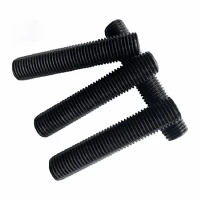
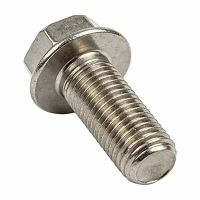
Now it’s time to set the Umbrella Handle Anchor Bolt. First, inspect the anchor to make sure it’s not damaged—check that the expanding clip at the bottom moves freely, and that the threads on the shank are smooth (rust or debris on the threads will make tightening hard). Insert the anchor into the hole, making sure the wide base sits flat against the concrete surface. If the base rocks, your hole is either uneven or too shallow—you’ll need to adjust the hole’s depth before proceeding. Once the anchor is seated, thread the included nut onto the top of the shank, turning it clockwise by hand until it’s snug. Now, use your wrench to tighten the nut an additional quarter turn—this is the sweet spot. Tighten less, and the anchor won’t expand enough to grip the concrete; tighten more, and you’ll strip the threads or crack the concrete around the hole. I’ve seen beginners crank on the nut as tight as possible, only to have the concrete split within a week of putting up the umbrella. A quarter turn past hand-tight is all you need for a secure, stable fit.
The final step is testing the anchor, which is critical to catch issues before you rely on it. Place your umbrella’s pole flange over the anchor’s shank, then thread the washer and nut from your umbrella’s hardware onto the shank. Tighten the umbrella’s nut, then gently push and pull the umbrella in all directions—tilt it, push it side to side, and yank upward as hard as you safely can. If there’s any movement, stop immediately. That usually means one of three things: the anchor wasn’t tightened enough, there’s leftover dust in the hole, or the concrete wasn’t fully cured when you drilled. In that case, remove the umbrella, unscrew the Umbrella Handle Anchor Bolt, re-clean the hole, and retighten the nut a quarter turn more. Never leave a wobbly anchor in place—wind can catch an unstable umbrella, leading to it flying across the yard and damaging property or injuring someone.
Over the years, I’ve noticed common mistakes that even experienced installers make, so here are a few pro tips to avoid them. First, never use a generic anchor for umbrella installs—our Umbrella Handle Anchor Bolt is engineered specifically for this use, with a low base that fits standard umbrella flanges and a holding power of up to 1,500 pounds, enough to hold a 10-foot umbrella in 30 mph winds. Generic L Bolt or J Bolt don’t have this holding power and can pull out in moderate wind. Second, if you’re installing on a commercial concrete surface (like a restaurant patio with multiple umbrellas), space anchors at least 6 feet apart to avoid overloading the concrete. Third, in colder climates where concrete freezes and thaws, apply a concrete sealant around the anchor’s base once a year to prevent water from seeping under and weakening the concrete.
As a supplier of concrete anchors, my goal isn’t just to sell a product—it’s to make sure it works for your needs. If you’re unsure about the size of your Umbrella Handle Anchor Bolt, need advice for a custom umbrella setup, or have questions about installation, don’t hesitate to reach out. We offer bulk pricing for contractors and hospitality operators, as well as step-by-step video guides for installers who prefer visual instructions. Whether you’re a homeowner doing a weekend project or a landscape team outfitting a commercial space, we’re here to help you get a secure, long-lasting umbrella anchor.
For more details on our Umbrella Handle Anchor Bolt, visit our product page directly at /bolts/anchor-bolts/umbrella-handle-anchor-bolt.html.
References:
- American Concrete Institute. (2019). Guide for the Design and Construction of Cast-in-Place Concrete Structures. ACI 318-19.
- International Code Council. (2021). International Residential Code: Anchors for Concrete and Masonry.
- Concrete Fastening Manufacturers Association. (2020). Best Practices for Installing Anchor Bolts in Structural Concrete.
- Outdoor Industry Association. (2022). Guide to Patio Umbrella Safety and Installation for Residential and Commercial Spaces.