


A square nut and a square washer may seem similar at first glance, especially to those who are not well - versed in the world of fasteners. However, as a Square Nut supplier, I am well - aware of the distinct differences between these two components, which are crucial for various industrial and DIY applications.
Physical Appearance and Structure
Let's start with the appearance. A Square Nut is a type of nut with a square - shaped body. It has an internal threaded hole that is designed to mate with a bolt or a threaded rod. The square shape provides four flat sides, which offer a larger surface area for a wrench or a spanner to grip. This makes it easier to tighten or loosen the nut, especially in situations where a high torque is required.
On the other hand, a square washer is a flat, square - shaped plate with a hole in the center. The hole is usually sized to fit around a bolt or a nut. Unlike the square nut, the square washer does not have internal threads. Its main function is to distribute the load of a fastener over a larger area, preventing damage to the surface being fastened and reducing the risk of the fastener loosening.
Function and Application
The functions of square nuts and square washers are also quite different. Square nuts are primarily used for fastening purposes. They are often used in applications where a more secure and robust connection is needed. For example, in construction, square nuts are used to fasten structural components together. They are also commonly used in machinery and automotive applications, where parts need to be held firmly in place under high stress and vibration.
Square washers, meanwhile, serve as supportive elements for fasteners. When a bolt or a nut is tightened, the square washer spreads the clamping force over a wider area. This is particularly important when fastening materials that are soft or prone to damage, such as wood or plastic. By using a square washer, the pressure exerted by the fastener is evenly distributed, reducing the likelihood of the material being crushed or deformed.
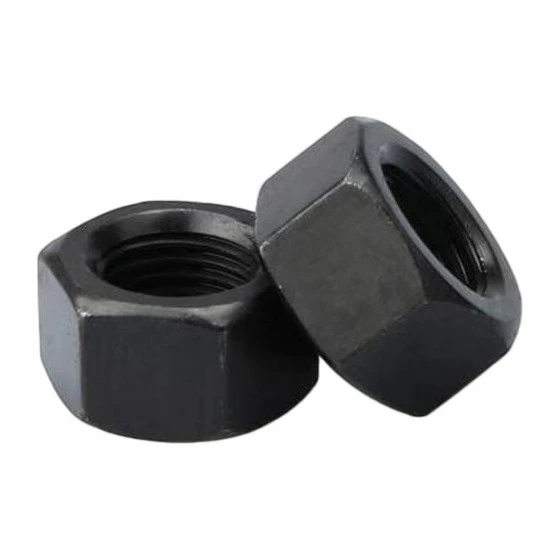
In the automotive industry, square washers are often used in combination with Wheel Hub Nut. The wheel hub nut secures the wheel to the hub, and the square washer helps to distribute the load and prevent the nut from loosening over time due to the vibrations and forces experienced during driving.

Manufacturing and Materials
The manufacturing processes for square nuts and square washers are different, too. Square nuts are typically manufactured by machining or cold - forming processes. Machining involves cutting and shaping a solid piece of metal to create the square body and the internal threads. Cold - forming, on the other hand, uses high - pressure dies to shape the metal into the desired square shape and then threads are added.
Square washers are usually made by stamping a flat sheet of metal. The stamping process involves using a die to cut out the square shape with a central hole from the sheet. This is a relatively simple and cost - effective manufacturing method, which makes square washers more affordable in large quantities.
Both square nuts and square washers can be made from a variety of materials, including steel, stainless steel, brass, and aluminum. The choice of material depends on the specific application requirements, such as corrosion resistance, strength, and weight. For example, stainless steel square nuts and washers are commonly used in outdoor or marine applications where corrosion is a concern.
Other Types of Nuts in Comparison
To further understand the uniqueness of square nuts, let's briefly compare them with other types of nuts. Coupling Nut is used to join two threaded rods or bolts together end - to - end. It has internal threads at both ends. Unlike square nuts, coupling nuts are not used for directly fastening an object to another surface but rather for extending threaded connections.
Cap Nut, also known as a dome nut, has a closed end. It is used to cover the end of a bolt, protecting the threads from damage and providing a smooth, finished appearance. Square nuts, in contrast, are open on both ends and are focused on creating a secure fastening.
Anchor Nut is designed to be embedded in a material, such as concrete or wood, to provide a threaded hole for fastening. It has a unique design that allows it to grip the surrounding material firmly. Square nuts are not typically used in such embedding applications but are more for surface - to - surface fastening.
Importance in the Market and Usage Scenarios
In the fastener market, square nuts and square washers play significant but different roles. Square nuts are in demand when there is a need for a reliable and torque - resistant fastening solution. Their square shape makes them a preferred choice in some industrial settings where a larger gripping surface is necessary. Square washers, however, are ubiquitous in almost every fastening application, as they help to improve the performance and longevity of the fastening system.
For instance, in the furniture manufacturing industry, square nuts are used to assemble heavy - duty frames, while square washers are used to prevent the screws from pulling through the wood. In electrical equipment, square nuts are used to secure components to panels, and square washers are used to ensure a proper connection and prevent damage to the delicate electrical parts.
Conclusion and Call to Action
In conclusion, while square nuts and square washers may share a similar square shape, they have different structures, functions, manufacturing processes, and applications. Understanding these differences is crucial for anyone involved in fastening tasks, whether you are a professional engineer, a DIY enthusiast, or a procurement specialist.
As a Square Nut supplier, we offer a wide range of square nuts in different sizes, materials, and finishes to meet your specific requirements. Our products are manufactured to the highest standards, ensuring reliability and quality. If you are in the market for square nuts or have any questions about their applications, we invite you to contact us for procurement and further discussions. Our team of experts is ready to assist you in finding the best solutions for your projects.
References
- "Fasteners Handbook: Design, Selection, and Application", Carl H. Gustav
- "Engineering Materials and Their Applications", James F. Shackelford